Additionally, using low-quality or impure formulations from unreliable sources can cause skin irritation or reduced effectiveness
Peptides for injury recovery can make your PT sessions more productive by: Reducing excessive inflammation between sessions, allowing for more productive work Accelerating tissue repair so you can progress through rehabilitation phases more quickly Improving sleep quality, which is when much of your healing occurs Supporting proper collagen organization during the critical remodeling phase I regularly coordinate with my clients' physical therapists to time peptide protocols with their rehab milestones for maximum benefit
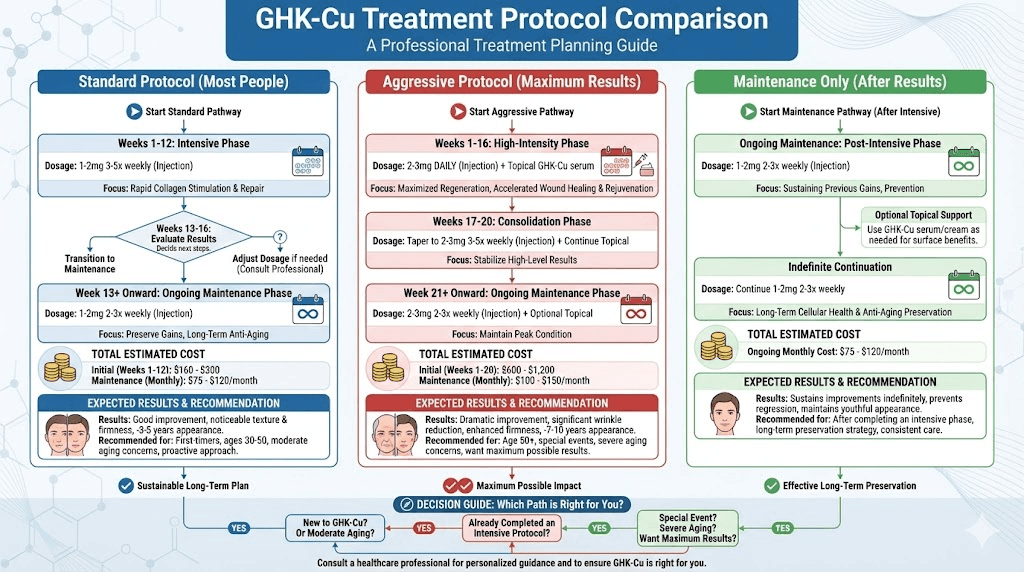
Ongoing low-dose maintenance (experimental) Continuous dosing approach: Dose: 1-2mg daily OR 3-5mg 2-3x weekly Duration: Ongoing (not cycled) Goal: Maintain constant telomerase activation Status: Experimental, not from research protocols Rationale: Telomerase needs continuous activation to maintain telomere length Cyclic dosing may allow regression between cycles Low-dose continuous might provide stable benefits Similar to maintenance protocols for other peptides Continuous dosing options: Advantages of continuous: No "off" periods where benefits regress Potentially stronger cumulative anti-aging More like natural physiologic regulation Easier to stack with other peptides Disadvantages: Much higher annual cost ($1,800-3,600 vs $300-600) No long-term safety data Uncertain if better than cyclic approach Storage challenges (more reconstitution) Deviates from proven protocols Current recommendation: Stick with proven 10-day cycles for most users Consider continuous only if cyclic approach inadequate Start with standard protocol first Assess your individual response Consult with peptide-knowledgeable physician Use our peptide cycle planning guide to design your Epithalon protocol

For personal cosmetic use, pre-formulated serums are acceptable if you commit to refrigeration and use within 6090 days of opening.
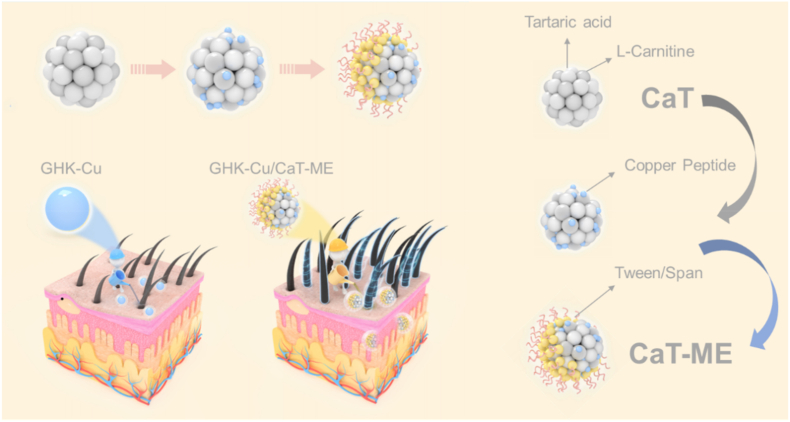
GHK-Cu Peptide Hair Serum is a laboratory-grade topical formulation developed for research into scalp biology, follicular activity and hair-related cellular pathways